Credit cards are everywhere. Most people see them as just a tool for shopping or a quick solution when cash runs out, but let’s get real—credit cards are quite possibly the laziest way to make your money do more for you. Why? Because rewards stack up even while you sleep, and if you play your cards right (pun intended), you can grow wealth just by rerouting your spending, not increasing it.
If you’ve ever wondered if that 1% or 2% cash back can matter in the long run, or if credit card points ever amount to anything real, you’re in the right place. I want to show you how to twist the rules in your favor by using five smart methods. You don’t need complicated tricks or insider secrets, just some systematic habits. Have you ever thought about how choosing the right card and setting up a few automations could quietly build up real wealth under your nose?
“Do not save what is left after spending; instead spend what is left after saving.” — Warren Buffett
The first step is a bit like sorting socks. Think about where most of your money goes each month—groceries, gas, travel, or dining out. Write it down or check your bank statements. Most people blindly swipe one card for everything, but those who pay attention realize that picking a card that offers bigger rewards for your highest spending category is like a cheat code. Imagine you spend $800 a month at the supermarket. A card that gives you 2% back versus a generic 1% card means you double your rewards, or about $144 extra each year—without spending a single cent more. Why leave easy money on the table, just because you didn’t match your card to your habits?
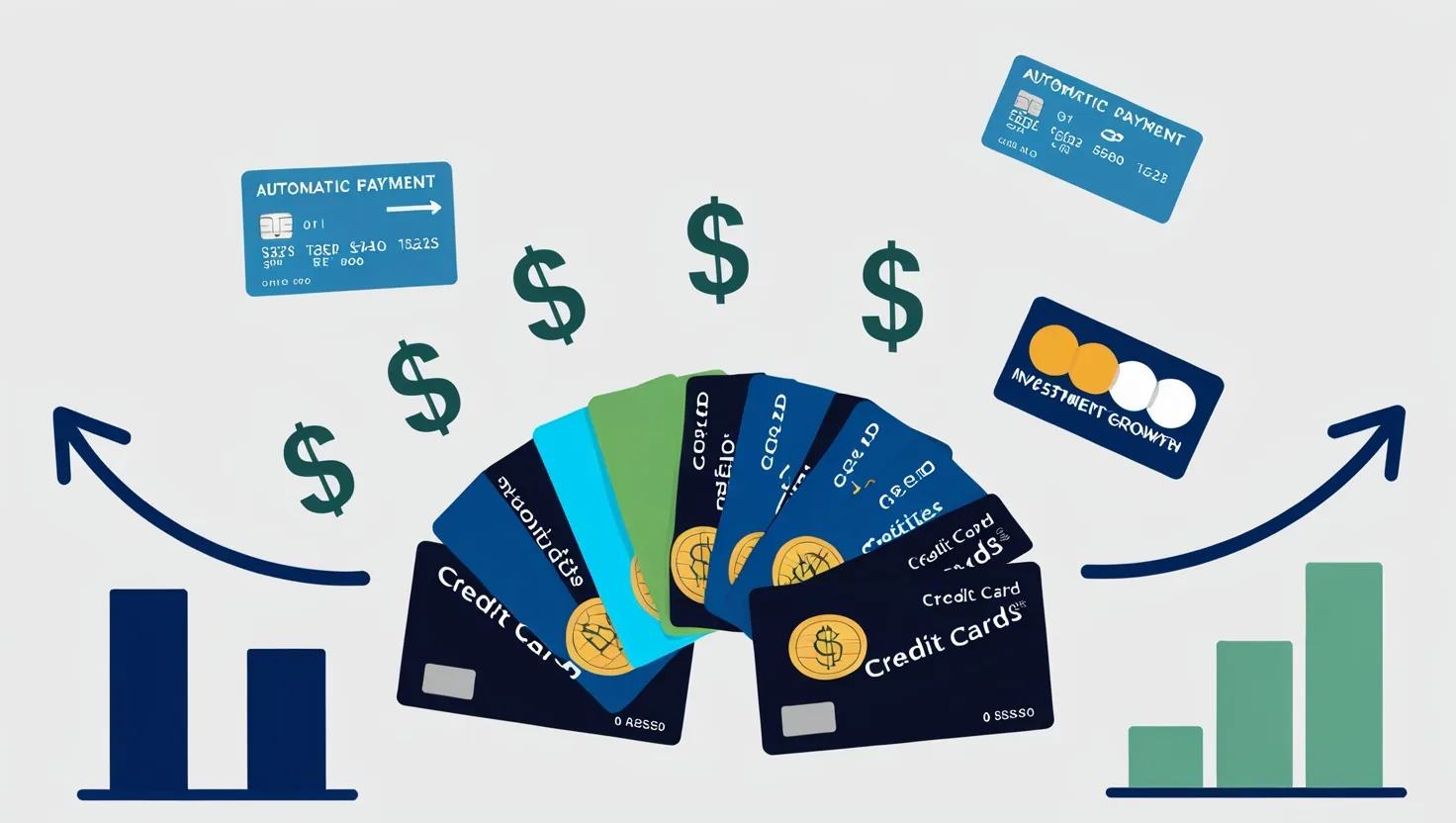
So after you’ve paired card to spend, now what? Most people wait for their rewards to pile up, then redeem for gift cards or the odd gadget. Here’s where a small tweak pays off big: funnel those rewards directly into an investment account or a high-yield savings account. Many cards let you set rules so that when your cash back totals $25 or $50, it jumps straight into your investments. This trick is not only automatic, but removes the temptation to fritter rewards away. Have you considered the difference this could make if done every single month for years? Each deposit refuels your money machine, quietly compounding away with zero effort from you.
“Compound interest is the eighth wonder of the world. He who understands it, earns it … he who doesn’t, pays it.” — Albert Einstein
But what if you could boost your rewards even faster, without overspending? That’s where sign-up bonuses come in. Credit cards compete fiercely for your business, and some will pay several hundred dollars just for signing up and meeting a moderate spending requirement—often money you would spend anyway. Picture this: time your application for a period when you know a big expense is coming—maybe a vacation, moving to a new apartment, or holiday shopping. Meet the threshold naturally, snag the bonus, and—here’s the key—send the bonus straight to your investments immediately. Did you know that a one-time $500 bonus, if invested with decent returns, could grow to over $1,000 in ten years? If you repeat this cycle smartly, applying for new cards every six months to a year and always paying your bills on time, you pocket multiple windfalls with very little risk to your credit score.
This brings me to a question: How many cards do you think is too many? Most people fear multiple credit cards, worrying it’ll hurt their finances. But if you keep your system organized, juggling even three or four cards can boost your reward rate by up to 50%. Divide your spending—one card strictly for groceries, another only for gas, a third for travel, and one for everything else. With most accounts and apps today, this isn’t nearly as hard as it sounds. Have you ever wondered if you’re earning less simply because you avoid the juggling act?
But what about the only real danger—credit card debt? Here’s the golden rule you can’t break: always pay your bill in full, on time, every single month. Set up an automatic payment from your bank so you never even have to think about it. Credit card interest is brutal—run a bill for a single month, and you might lose more in interest than you’ve earned in rewards over half a year. All that work, wiped out over one slip. If you treat your cards like cash and never spend more than you can pay off, the system works perfectly in your favor.
“Too many people spend money they haven’t earned, to buy things they don’t want, to impress people they don’t like.” — Will Rogers
Many people think rewards are a gimmick or not worth the time. But dig a little, and the numbers get surprising. Let’s say you put all five of these moves in play for an average household. Annual rewards just from targeting spend and rotating sign-up bonuses could add several hundred dollars to your bottom line. Now imagine the difference after twenty years of letting that money compound—enough to cover a nice vacation, a portion of college tuition, or help with a down payment for a home.
It’s not about spending more, it’s about being deliberate with the spending you already do. Did you know that even the time of year you apply for new cards affects the value you receive, since some seasons come with higher bonuses tied to travel or shopping?
Everyone’s heard stories about people buying luxury flights or hotel stays with points, but the less flashy reality is the steady, boring, automatic transfer of cash rewards into something that grows. Over time, this beats splurging on short-term perks and builds an actual safety net you can rely on.
I want you to challenge yourself: Have you ever actually added up the rewards you’ve ignored, or let expire, or wasted on things you didn’t need? What if you treated those points and cash back like actual paychecks—something to claim, save, and invest, not just fritter away?
“A penny saved is a penny earned.” — Benjamin Franklin
The game isn’t about chasing every reward or becoming obsessed with deals. It’s about creating a routine so simple it runs on autopilot. Pick the best cards for your life, set up the automations, catch the bonuses when it makes sense, and always, always, always pay that bill. You’ll look back in ten years and be glad you did—not because you became a penny-pincher, but because you made your money work harder for you, not the other way around.
So, do you know where your next credit card reward is going? Or will it be left in a dashboard, waiting to be spent on something you’ll soon forget?
If this sparks even a small change in your habits, you’ve already started building wealth on your terms. Credit card rewards aren’t magic, but they’re the easiest way to let lazy money become smart money. Why not let the system work for you, instead of working harder for every dollar?