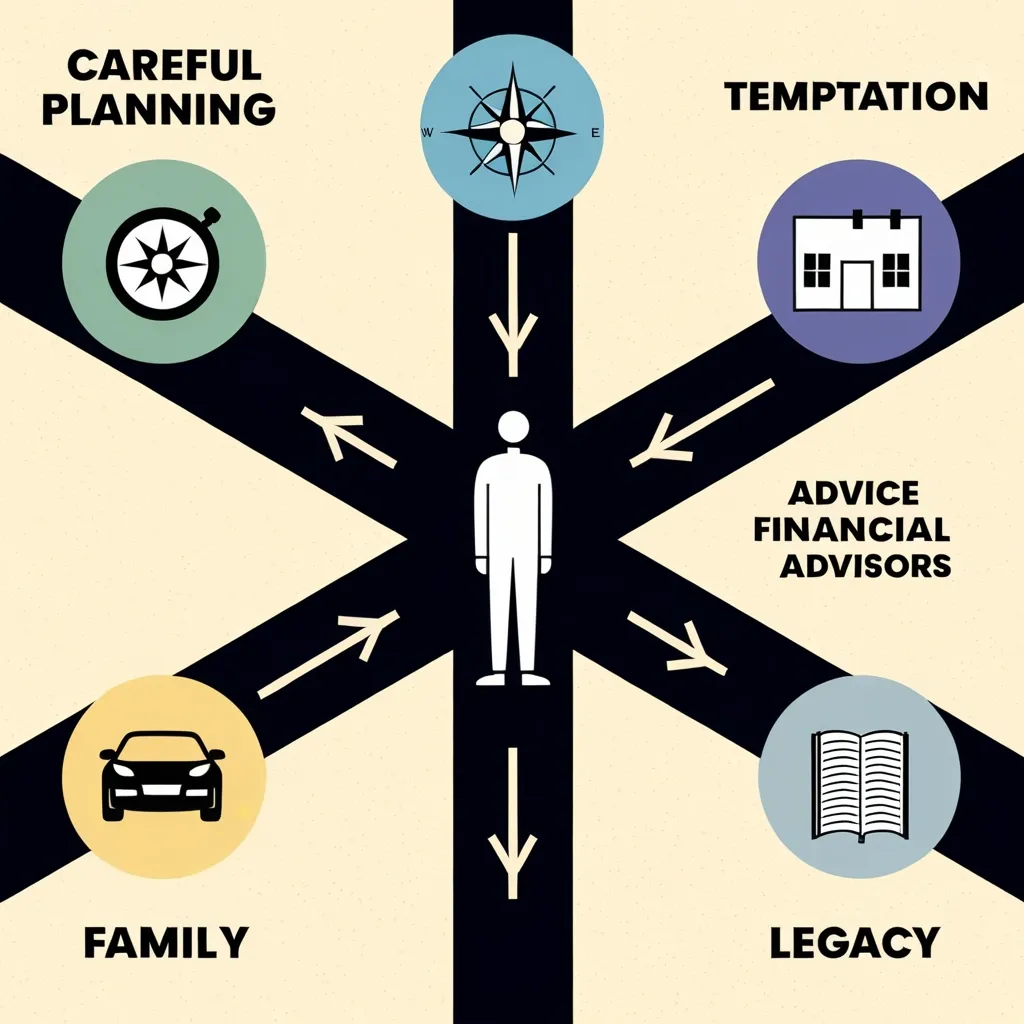
When it comes to managing our finances, one of the most daunting challenges many of us face is the temptation of impulse buying. It’s that sudden, often irrational urge to purchase something that wasn’t on our radar just moments before. But what if you could break free from this cycle and redirect those funds towards a more secure financial future?
The Power of a Budget
Let’s start with the foundation of any successful financial plan: the budget. Without one, it’s easy to get lost in a sea of unplanned purchases. Creating a budget is more than just listing your income and expenses; it’s about setting a clear framework for your spending. Consider using the 50/30/20 rule, where 50% of your income goes towards necessities, 30% towards discretionary spending, and 20% towards saving and debt repayment.
As the renowned financial expert, Dave Ramsey, once said, “You must tell your money what to do or it will tell you.” By laying out a personalized budget, you’re taking the first step towards telling your money exactly where it should go.
The Cash Conundrum
Using cash for discretionary spending can be a game-changer. When you’re handling physical money, you’re more aware of the dwindling amount in your wallet. This tactile experience makes each purchase feel more real, prompting you to think twice before parting with your hard-earned cash. It’s a simple yet effective strategy that can significantly reduce impulse buying.
The Pause Button
Impulse buying often stems from a lack of reflection. Before making a purchase, take a moment to ask yourself some crucial questions: “Do I really need this? Is it worth the money? Is there something else I should prioritize?” This brief pause can be the difference between a regretful purchase and a wise decision.
As the ancient Greek philosopher, Aristotle, noted, “We are what we repeatedly do. Excellence, then, is not an act, but a habit.” Developing the habit of pausing before purchasing can lead to a more disciplined approach to spending.
Avoiding Temptation
Sometimes, the best way to avoid impulse buying is to avoid the temptation altogether. Unsubscribe from marketing emails and avoid visiting your favorite shopping websites when you’re not looking for something specific. These constant reminders of sales and new products can be too enticing to resist.
Shopping with a Clear Mind
Your state of mind can significantly influence your shopping behavior. Shopping when you’re stressed, tired, or hungry can lead to poor decision-making. Try to shop when you’re clear-headed and not under any emotional duress. This simple adjustment can help you stick to your shopping list and avoid unnecessary purchases.
The Waiting Game
If you’re unsure about a purchase, try postponing it. Put the item back on the shelf or save it in your online cart for a few days. Often, the urge to buy will pass, and you’ll realize that the item wasn’t as essential as you thought. This waiting period can be a powerful tool in reducing impulse spending.
Shopping Lists: Your Best Friend
A shopping list is more than just a piece of paper or a note on your phone; it’s a roadmap to responsible spending. Before you head out to shop, make a list of the items you need. Stick to it, and you’ll find that you’re less likely to be swayed by impulse buys.
As Benjamin Franklin once said, “By failing to prepare, you are preparing to fail.” A well-prepared shopping list can be the key to successful and disciplined shopping.
Tracking Your Expenses
Keeping track of your expenses is crucial for understanding where your money is going. Use apps or spreadsheets to monitor your spending. Seeing your expenses laid out can help you identify areas where you might be overspending and make necessary adjustments.
Setting Clear Financial Goals
Having clear financial goals can be a powerful motivator. Whether you’re saving for a down payment on a house, paying off debt, or building up your savings, knowing what you’re working towards can help you stay focused. Write down your goals and track your progress. This visual reminder can keep you on the right path.
Rewarding Yourself
Saving money doesn’t have to be a bleak, joyless experience. Allow yourself some discretionary spending within your budget. Rewarding yourself for reaching savings milestones can make the process more enjoyable and sustainable.
As Warren Buffett once said, “Price is what you pay. Value is what you get.” By rewarding yourself occasionally, you’re adding value to your savings journey.
Mindfulness in Shopping
Mindfulness is not just a buzzword; it’s a practical tool for reducing impulse spending. Being fully present when you shop can help you make more thoughtful decisions. Take your time, consider each item carefully, and ask yourself if it aligns with your financial goals.
In the words of Thich Nhat Hanh, “The present moment is the only moment available to us, and it is the door to all moments.” By being mindful in the present, you can make better choices for your financial future.
Reducing impulse spending is a journey, not a destination. It requires discipline, mindfulness, and a clear understanding of your financial goals. By implementing these strategies, you can break free from the cycle of unnecessary purchases and start building a more secure financial future.
So, the next time you find yourself standing in front of a tempting purchase, take a deep breath, pause, and ask yourself: “Is this really what I need?” The answer might just surprise you.