The Silent Shift: How Population Decline is Reshaping Advanced Economies
We’re witnessing a seismic shift in the world’s demographic landscape, and it’s happening right under our noses. Advanced economies are facing a challenge that’s both unique and daunting: population decline. It’s not just a numbers game; it’s a force that’s reshaping our economic future in ways we’re only beginning to understand.
Let’s take a moment to wrap our heads around this. Countries like Japan, Germany, and Italy are at the forefront of this trend. They’re watching their populations shrink year after year. Even China, once known for its stringent one-child policy, is now grappling with the consequences of a declining population. It’s like watching a slow-motion transformation of the world as we know it.
But what does this mean for our economies? Well, it’s complicated. On one hand, fewer people means fewer workers to drive economic growth. It’s like trying to run a marathon with fewer runners – it’s tough going. The tax base shrinks, but the demand for public services, especially healthcare and pensions, keeps growing. It’s a balancing act that’s becoming increasingly difficult to maintain.
Think about it: fewer workers, more retirees. It’s a recipe for economic headaches. Governments are scratching their heads, trying to figure out how to keep the lights on when there are fewer people to pay the electricity bill, so to speak. It’s not just about money, though. It’s about the very fabric of our societies changing before our eyes.
But here’s where it gets interesting. Some studies suggest that this population decline might not be all doom and gloom. Fewer workers could mean higher wages for those who are working. It’s simple supply and demand – when something becomes scarce, its value often increases. So, we might see a world where workers have more bargaining power and better employment opportunities.
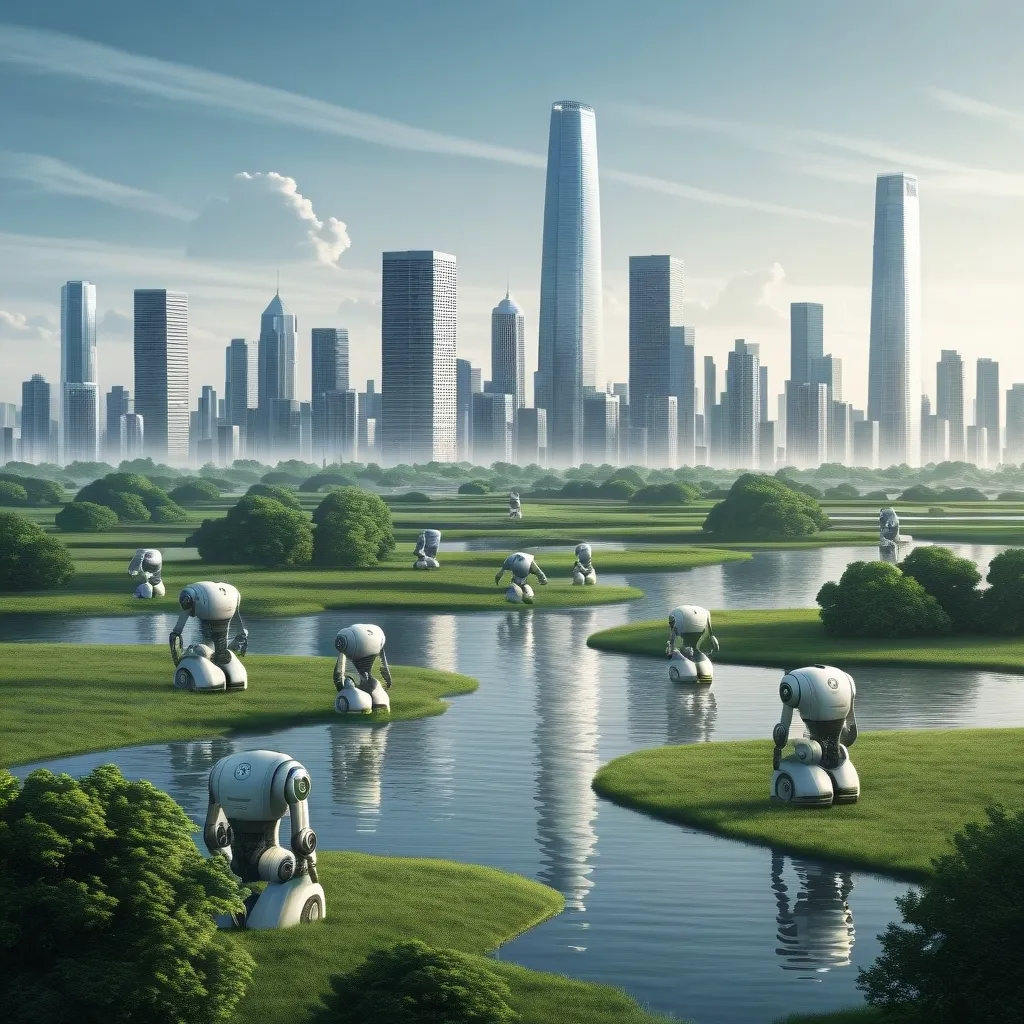
And let’s not forget about technology. As the workforce shrinks, there’s a big push towards automation and artificial intelligence. It’s like nature abhors a vacuum – where human workers are scarce, robots and AI are stepping in. Japan is leading the charge here, with companies investing heavily in tech to keep productivity up despite having fewer human workers.
Now, let’s talk about housing. You’d think fewer people would mean cheaper houses, right? Not necessarily. In some places, we’re seeing a weird situation where housing demand is actually going up. Why? Because older folks are choosing to age in place rather than sell their homes. It’s creating a bit of a housing crunch in some areas.
But it’s not just about houses. The whole consumer market is changing. Fewer young people means less demand for things like baby products and school supplies. But on the flip side, there’s a growing market for products and services catering to older folks. It’s like watching the economy go through a mid-life crisis and reinvent itself.
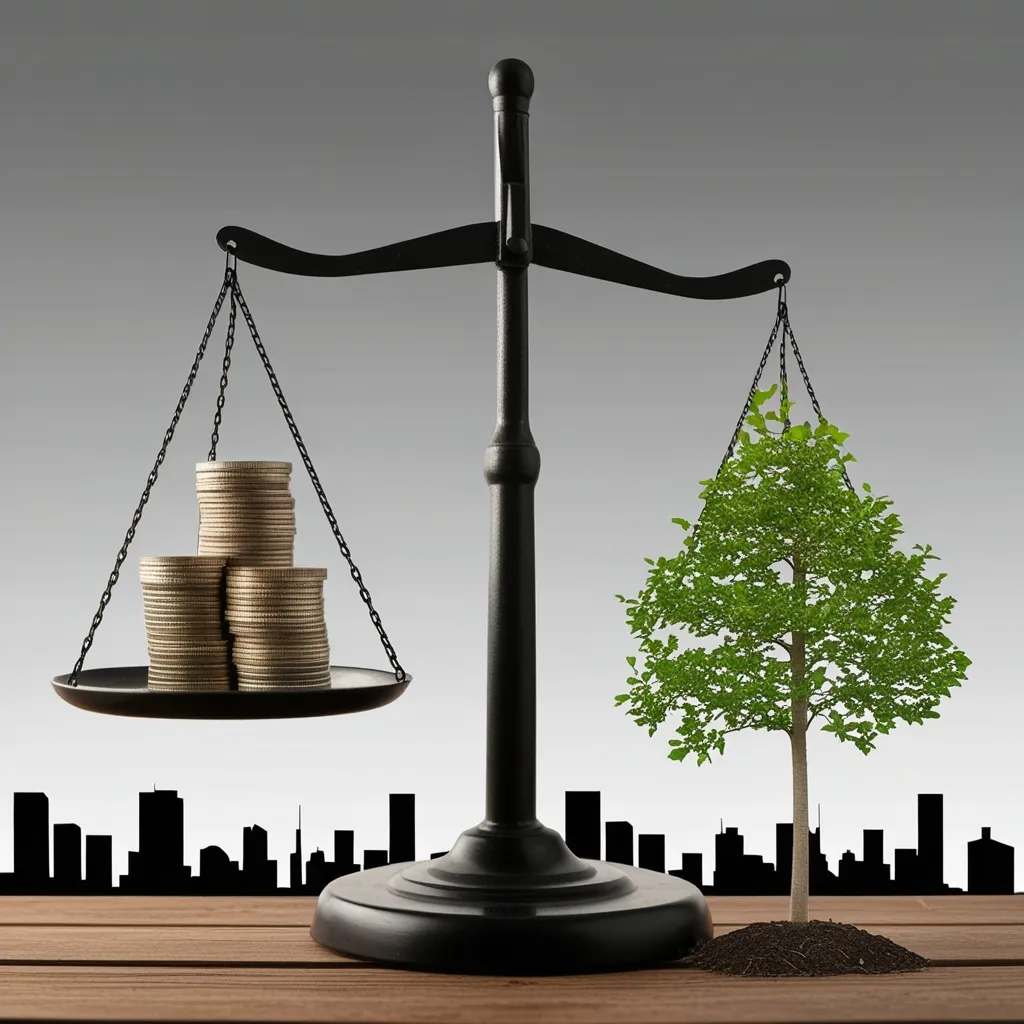
Here’s a silver lining: a smaller population could be good news for the environment. Fewer people means less stress on natural resources and potentially lower carbon emissions. It’s not going to solve climate change overnight, but it’s a silver lining in an otherwise cloudy situation.
Socially, though, the changes are profound. We’re looking at a future where a smaller workforce is supporting a larger retired population. It’s putting a strain on pension systems and healthcare services. In many advanced economies, over 20% of the population is now 65 or older. By 2050, that number could more than double. It’s a demographic time bomb ticking away.
So, what are governments doing about this? Well, they’re trying all sorts of things. Some countries are offering financial incentives for couples to have more kids. Others are focusing on comprehensive childcare programs. But let’s be real – these measures have had limited success. It turns out that convincing people to have more kids is not as simple as offering them a cash bonus.
In the face of all this, innovation becomes crucial. We’re seeing industries like healthcare and manufacturing embracing AI and automation to boost productivity. It’s not just about replacing workers; it’s about enhancing the capabilities of the workforce we have left.
Looking at the long-term picture, it’s a mixed bag. On one hand, fewer people could mean more resources per capita. This could lead to better education and healthcare systems. On the other hand, the balance between different age groups is getting seriously out of whack, and that’s causing all sorts of economic headaches.
So, what does this all mean for you and me? Well, we’re going to need to be more flexible and open to new ways of working. The job market is changing, and we need to change with it. It also means we need to be smarter about planning for the future. Saving for retirement and investing in our skills has never been more important.
In the end, how we handle this population decline will shape the future of our economies. It’s going to take some serious innovation and some clever policy-making to navigate these uncharted waters. But hey, who knows? Maybe this challenge will push us to create more efficient, sustainable economies that work better for everyone.
As we watch this demographic shift unfold, one thing’s for sure: the world of tomorrow is going to look very different from the world of today. And while that might seem scary, it’s also kind of exciting. After all, change brings opportunity, and there’s plenty of change on the horizon.
So, as we face this brave new world of declining populations, let’s keep our minds open and our thinking flexible. The future may have fewer people, but it could also be full of new possibilities. Who knows? Maybe we’re on the brink of a new economic renaissance, driven by necessity and innovation. Only time will tell.