Improving your financial literacy is your golden ticket to mastering money management, making smart financial moves, and setting yourself up for a steady financial future. There are plenty of practical ways to boost your financial know-how, and I’m here to guide you through them. Think of it as a friendly chat about money, but with a dash of fun and practical wisdom.
Financial Newsletters: Delivered Wisdom
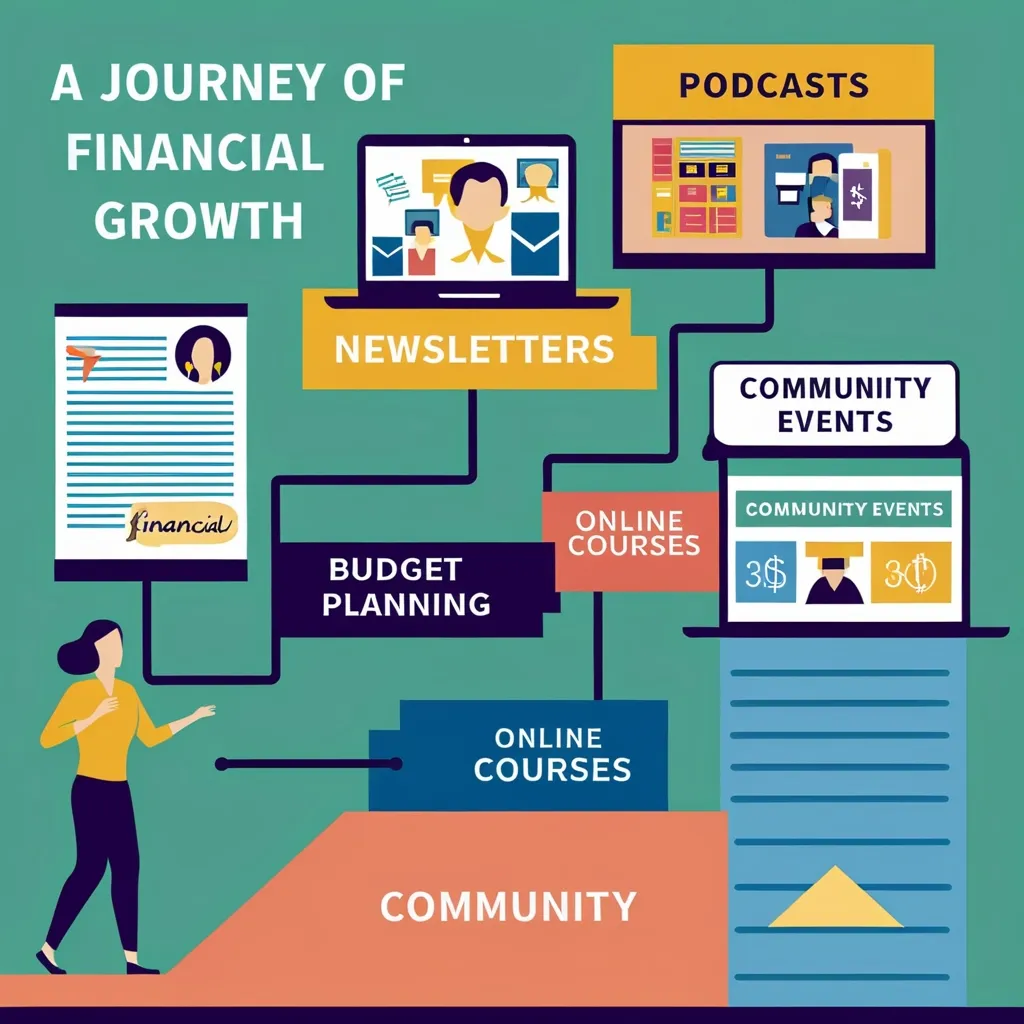
Start your financial journey by keeping up with the latest trends. Financial newsletters from reliable sources can be your go-to for expert advice and insights. They cover everything from budgeting and saving to investing and planning for retirement. Just imagine your inbox becoming a treasure trove of tips and tricks, making you more confident in your financial choices.
Podcasts: Learning on the Go
Podcasts are like having a financial guru whispering advice in your ear while you go about your day. Whether you’re doing chores, running errands, or even out for a jog, there’s a podcast out there with practical tips and expert guidance on managing your money. Simply download one from your favorite podcast app or music streaming service and let the learning begin.
Personal Finance Blogs: Expert Tips at Your Fingertips
Dive into the world of personal finance blogs and soak up the wisdom shared by financial experts. These blogs are packed with insights, strategies, and tips for effective money management. Covering a wide array of topics like budgeting, saving, investing, and retirement planning, regularly reading these blogs will keep you in the loop about the latest trends and strategies to manage your finances better.
Social Media: Financial Wisdom on Your Feed
Social media platforms, including Reddit, YouTube, and TikTok, are buzzing with financial information. Follow financial experts, join finance-focused groups, and watch informative videos. Social media makes learning about finance interactive and engaging—perfect for those who prefer learning in a more dynamic environment.
Budgeting: Your Financial Blueprint
Creating a budget is like drawing a map for your financial journey. It helps you track your income and expenses, giving you a clear picture of where your money goes each month. Use a simple spreadsheet or budgeting app to set it up. This will help you identify areas to cut back and allocate more towards your savings goals. It’s all about being aware and in control of your financial situation.
Financial Professionals: Personalized Guidance
Sometimes, getting a little help from a financial professional can make a world of difference. They can answer all your financial questions, whether they’re about day-to-day money management or long-term financial planning. Having a pro on your side means personalized advice tailored to your needs and someone to keep you on track with your financial goals.
Online Courses: Expand Your Knowledge
Platforms offering online courses, like Coursera, Khan Academy, and Udemy, are goldmines for improving financial literacy. These interactive courses delve into various aspects of personal finance, investing, and financial planning. They are designed to give you a deep understanding of financial concepts and help you develop practical skills for managing your money.
Financial Education Platforms: Fun Learning Tools
Financial education platforms often come with interactive tools like games, animations, and worksheets, making learning about money fun. Especially for students, these platforms can instill the basics of spending, saving, and financial health early on.
Community Events: Learn and Network
Local community events, whether in-person or virtual, can be incredibly valuable. Hosted by financial professionals, libraries, or civic centers, these events offer presentations, workshops, and Q&A sessions providing hands-on learning experiences. Plus, they offer a chance to network and learn from others who share your financial goals.
Websites and Tools: Online Resources
Websites like Investopedia have a wealth of information on everything from investing to tax strategies. Tools such as YNAB (You Need a Budget) offer structured approaches to budgeting and financial planning. Other resource directories can provide comprehensive lists of educational materials arranged by topic. These online resources are fantastic for deepening your financial knowledge.
Financial Communities: Shared Knowledge
Joining financial communities, whether online or offline, is a brilliant way to learn and share experiences. Online forums like Reddit’s personal finance community or Facebook groups dedicated to financial literacy are platforms where you can engage in discussions, ask questions, and share resources. These communities offer support, advice, and motivation, helping you stay on track towards your financial goals.
Real-Life Stories: Learn from Others’ Experiences
Reading real-life stories about financial successes and challenges can offer immense learning and inspiration. Blogs and websites that share personal finance journeys provide practical insights into different financial scenarios and strategies. These narratives can guide you and motivate you to take action towards your own financial goals.
Key Financial Skills: The Core of Literacy
Mastering key financial skills such as budgeting, saving, and investing is crucial to improving your financial literacy. Understand the importance of having an emergency fund, avoiding excessive debt, and tracking your expenses. Focusing on these core skills helps build a solid foundation for effective money management.
Stay Updated: Financial Trends
Keeping an eye on current financial trends and events is essential. Follow financial news, read articles, and participate in online discussions. This will ensure you’re always in the know and can adapt your financial strategies as needed. Staying updated helps you make better financial decisions.
Interactive Learning: Make It Fun
Interactive learning tools like games and quizzes can make financial education more engaging and enjoyable. These methods help reinforce your understanding and make learning about finance a fun experience.
Specialized Resources: Tailored Advice
If you have specific financial situations, there are specialized resources available. For instance, financial literacy tools tailored for service members and their families can provide targeted advice and strategies. These specialized resources are designed to address unique financial needs effectively.
Improving your financial literacy is a journey. By engaging with various resources and learning experiences, you can steadily build your knowledge and skills. Every step towards financial literacy is a step towards a more secure financial future.