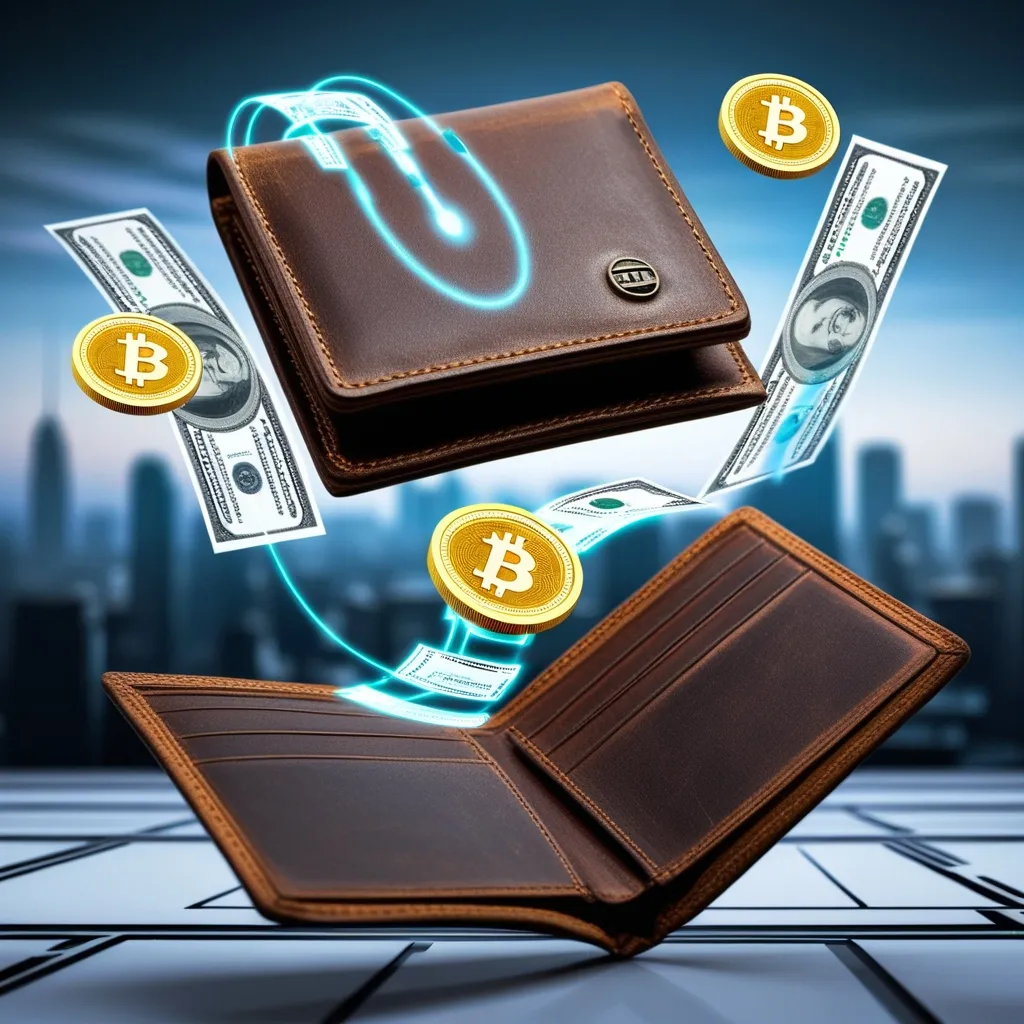
The Cashless Revolution: Navigating the Future of Money
Money makes the world go round, they say. But these days, it’s not just the jingle of coins in our pockets that’s keeping things spinning. We’re in the midst of a financial revolution, and cash is starting to look like yesterday’s news.
Remember the days when you’d stuff your wallet with bills before a night out? Well, those days are fading fast. In some places, like Sweden, you’d be hard-pressed to find a bus that still accepts cash. It’s all about tapping cards and waving phones now.
But hold on a second. Before we get too excited about this brave new cashless world, let’s take a step back and look at what’s really going on.
Sure, digital payments are convenient. There’s no denying the thrill of making a purchase with just a flick of your wrist. It’s like magic, really. And for businesses, it’s a dream come true. No more counting cash at the end of the day or worrying about robberies. Just a neat little report showing all the day’s transactions.
But here’s the thing: convenience isn’t everything. What about privacy? When you use cash, it’s just between you and the seller. No one else needs to know about that guilty pleasure purchase or that secret gift for your partner. With digital payments, there’s always a record. It’s like having a nosy neighbor watching every transaction you make.
And let’s not forget about security. Remember that massive Equifax breach a few years back? Yeah, that’s the kind of nightmare that keeps digital payment enthusiasts up at night. When everything’s online, a single hack can wreak havoc on your finances.
Then there’s the question of access. We tend to forget that not everyone has a smartphone or a bank account. In the US, about 1 in 20 people are unbanked. In Europe, it’s even higher. Globally? We’re talking about 2 billion people without access to banking services. For these folks, a cashless society isn’t just inconvenient - it’s downright exclusionary.
Cultural factors play a role too. In countries like Germany and Japan, cash is still king. People there tend to view cash as more reliable and secure. It’s not just about practicality; it’s about trust and tradition.
But let’s not paint too gloomy a picture. The shift towards digital payments does have its upsides. It can help reduce tax evasion and make it harder for criminals to move money around. Plus, maintaining cash systems is expensive. All that printing, distributing, and securing physical money adds up.
Technology is driving this change at breakneck speed. Mobile wallets, contactless payments, even AI-based systems - they’re all making it easier than ever to ditch cash. It’s not just about convenience anymore; it’s about creating entirely new ways of handling money.
Yet, for all the tech wizardry, cash still has its place. During natural disasters or when systems go down, cash can be a lifesaver. And let’s be honest, there’s something satisfying about holding physical money in your hand. It feels real in a way that numbers on a screen just don’t.
So, where does this leave us? Are we heading for a completely cashless future?
Not so fast. While digital payments are on the rise, cash isn’t going to disappear overnight. There will always be situations where cash is king. Maybe you’re buying something from a small local vendor, or you’re in a remote area with spotty internet. Or perhaps you just prefer the anonymity and control that cash provides.
The key is to find a balance. We need to embrace the convenience and efficiency of digital payments while also ensuring that our financial systems remain accessible and fair for everyone. This means creating robust security measures to protect our digital transactions. It means developing solutions for those who don’t have access to banking services. And it means recognizing that cash still has an important role to play in our economy.
As we move forward, it’s crucial that we don’t leave anyone behind. The future of money should be about expanding options, not limiting them. Whether you’re a tech-savvy millennial who does all their shopping online or a retiree who prefers the tried-and-true method of cash, there should be a place for you in our financial system.
In the end, the shift towards a cashless society is about more than just how we pay for things. It’s about how we think about money, how we value privacy, and how we ensure fairness in our financial systems. It’s a complex issue with no easy answers.
So next time you tap your card to buy a coffee or dig out some coins to feed a parking meter, take a moment to think about the bigger picture. The way we handle money is changing, and we all have a stake in shaping that change.
Will cash eventually become obsolete? Maybe. But for now, it’s still an important part of our financial ecosystem. As we navigate this cashless revolution, let’s make sure we’re creating a future that works for everyone, not just those with the latest gadgets.
After all, money may make the world go round, but it’s people who decide how that money moves. So let’s make sure we’re moving in the right direction.