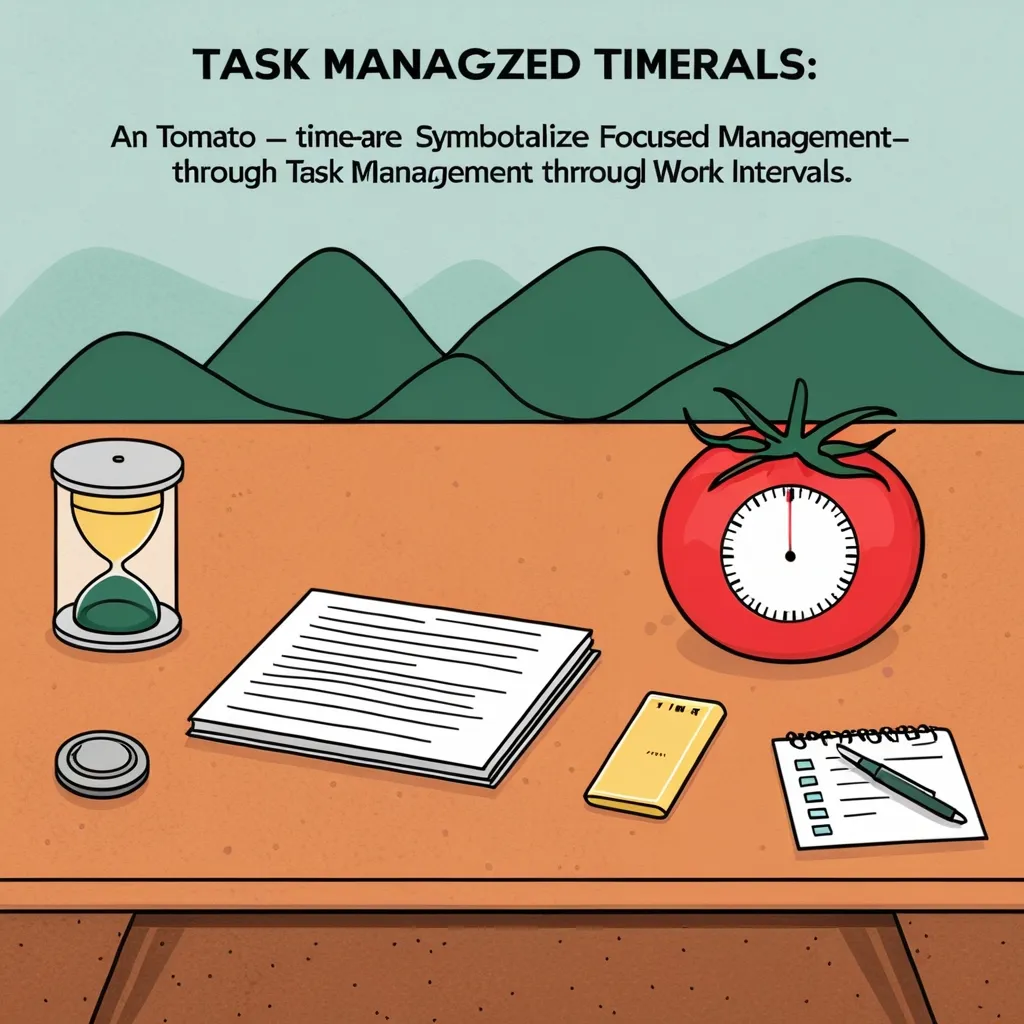
Today’s hustle and bustle make it a real challenge to stay on track. Constant notifications, endless emails, and the lure of social media are always vying for attention. But imagine there’s this one super simple technique that can help you zone in and amp up your productivity: the Pomodoro Technique. It’s like creating a mini-magic realm of focus amidst the chaos.
The Pomodoro Technique has an interesting backstory. It was cooked up by Francesco Cirillo back in the late ’80s when he was a university student, battling the usual time management demons. He grabbed a tomato-shaped kitchen timer and began breaking his study sessions into chunks of focused work, separated by short breaks. That’s why “Pomodoro” – it’s Italian for tomato – became the technique’s quirky mascot.
Here’s the deal with how it works. Break your tasks into 25-minute work intervals called “Pomodoros.” Seems simple, right? But it’s super effective.
First, choose what you want to tackle. Then, set your timer – could be anything from a traditional kitchen timer to a sleek app. For 25 minutes, dive into your task, no distractions. When the timer dings, take a 5-minute break. Repeat this cycle four times, and then treat yourself to a longer break, something like 15-30 minutes. It’s that easy to get more stuff done without hitting burnout.
The beauty of the Pomodoro Technique lies in its benefits. You’ll see a noticeable improvement in concentration. Knowing you have just 25 minutes to focus makes it easier to tune out distractions. The ticking clock adds a bit of urgency too, pushing you to work quicker and smarter. And those regular breaks? They’re lifesavers for reducing mental fatigue. By breaking big tasks into these manageable segments, the whole mountain turns into a series of small hills. Less intimidating, more doable. Plus, those breaks aren’t just downtime; they can spark fresh ideas, giving your creativity a boost.
What’s cool is you can tweak this technique to fit your vibe. The classic 25-minute sprint works wonders for most, but feel free to shake things up. Try working for 50 minutes with a 10-minute break if you need more time to groove. Or go for 15 minutes of work followed by a quick 5-minute breather if you’re swamped or just want to ease into it. You can even start with short bursts and gradually extend them as you build your endurance.
Of course, distractions are the nemesis here. Turn off those pesky notifications. Create a chill workspace. One task at a time – multitasking is productivity’s arch-enemy.
The Pomodoro Technique’s flexibility makes it universal. Students and writers love it for maintaining focus during long study or writing sessions. Coders and creatives find it aligns perfectly with their need for deep concentration. Even teams can sync their Pomodoros, making group projects more cohesive and efficient.
Here’s how to make the most of Pomodoro. Plan ahead. Map out how many Pomodoros you need for each task. This helps in scheduling and ensures everything gets done. Treat your breaks seriously – stretch, move, or just breathe. And be open to tweaking the intervals until you find your sweet spot.
Like anything, the Pomodoro Technique isn’t without its challenges. The biggest one? Staying focused. Prioritize tasks ruthlessly. The technique forces you to deal with what’s important, turning work into a game of skill and strategy. Anticipate distractions and plan for them during breaks, keeping them from derailing your workflow.
In a world where maintaining focus is becoming harder, the Pomodoro Technique shines as a beacon of productivity. Breaking your work into these small, ultra-focused intervals allows for deep concentration, creative bursts, and less mental fatigue. Whether you’re studying, writing code, brainstorming, or working on a big project, this technique is adaptable and powerful. Give it a shot and see how it transforms your workday from a chaotic mess to a streamlined powerhouse of productivity.