Mastering Your Mental Energy: The Key to Peak Productivity
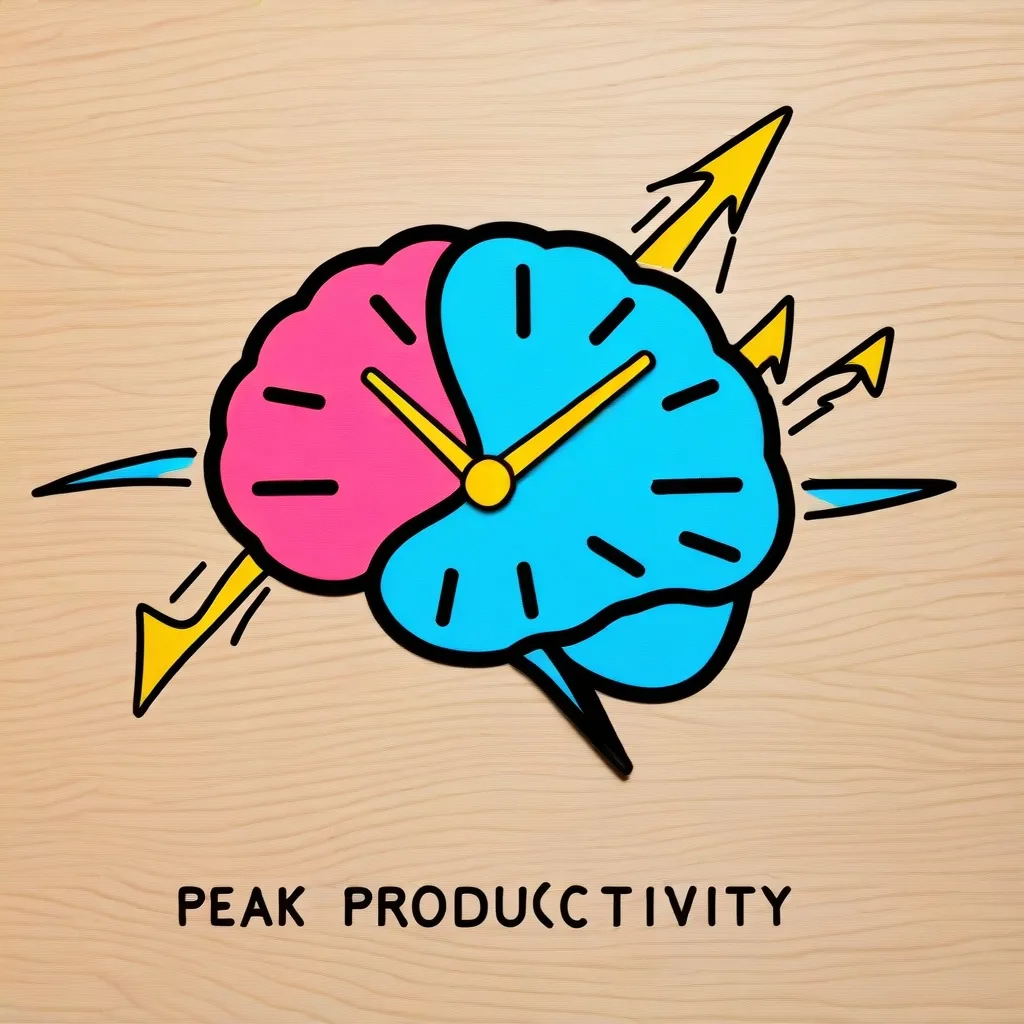
Ever feel like you’re running on empty, even when you’ve got plenty of time? That’s where cognitive time mapping comes in. It’s not just about squeezing more tasks into your day - it’s about making the most of your mental energy when it’s at its peak.
Think of your brain as a smartphone battery. Sometimes it’s fully charged, ready to tackle anything. Other times, it’s at 10%, and you’re frantically searching for a charger. The trick is to use that battery power wisely, matching your tasks to your energy levels.
So, how do you figure out when your brain is firing on all cylinders? Start by paying attention to your natural rhythms. Are you a morning person, bouncing out of bed ready to conquer the world? Or do you hit your stride in the afternoon, after that second cup of coffee kicks in?
Once you’ve got a handle on your energy patterns, it’s time to play matchmaker with your to-do list. Got a big presentation to prep? Schedule it when you’re feeling sharp and focused. Need to plow through some mindless admin work? Save it for when your brain’s in energy-saving mode.
But here’s the thing - we’re not all wired the same way. Some of us are analytical thinkers, crunching numbers like it’s nobody’s business. Others are creative souls, painting masterpieces with words or images. The whole brain thinking approach helps you figure out which camp you’re in, so you can play to your strengths.
Now, let’s talk about time mapping. It’s like Tetris for your schedule. You’ve got all these different shapes (tasks) to fit into your day, and you want to make them all slot together perfectly. Time boxing is your secret weapon here. It’s like setting a timer for each task, keeping you focused and preventing that one tricky email from eating up your entire afternoon.
But let’s be real - our brains aren’t computers. We can’t just keep processing information non-stop without burning out. That’s where managing your cognitive load comes in. It’s about being mindful of how much mental heavy lifting you’re doing at any given time.
Color-coding your tasks based on the type of thinking they require can be a game-changer. Blue for number-crunching, red for people-wrangling, green for creative stuff - you get the idea. This visual system helps you spread out the mental workload, so you’re not trying to do all your deep thinking in one go.
And hey, don’t forget to give your brain a breather now and then. Taking regular breaks isn’t slacking off - it’s essential maintenance for your mental machinery. A quick walk around the block or a few minutes of stretching can reboot your brain and send you back to work refreshed and ready to roll.
Now, here’s where things get interesting. Your cognitive time map isn’t just about work stuff. It’s about your whole life. That means factoring in time for family, friends, hobbies, and self-care. Because let’s face it, all work and no play makes Jack a dull (and burnt-out) boy.
Technology can be your best friend when it comes to managing all this. There are tons of apps out there that can help you track your time, set reminders, and even analyze how you’re spending your days. But remember, these are tools, not taskmasters. Use them to support your cognitive time mapping, not to rule your life.
The beauty of this whole approach is that it’s not set in stone. Your energy patterns might shift over time, or your priorities might change. That’s cool - your cognitive time map can evolve right along with you. It’s all about continuous improvement, tweaking and adjusting as you go along.
One of the coolest things about cognitive time mapping is how it boosts your self-awareness and accountability. When you’ve got a clear picture of how you’re spending your time and energy, it’s harder to let things slide. You become the CEO of your own life, making executive decisions about where to invest your most precious resources.
Let’s look at how this might play out in real life. Say you’re a freelance graphic designer. You might discover that your creative juices flow best in the late morning and early afternoon. So you schedule your design work for those golden hours. Client calls and admin tasks? They get slotted into the later afternoon when your people skills are on point but your creative well is running dry.
Or maybe you’re a teacher. You might find that your energy for lesson planning peaks in the early evening, after you’ve had a chance to decompress from the school day. So you set aside that time for creativity and big-picture thinking, while using your early mornings for last-minute prep and your afternoons for grading and feedback.
The key is to be flexible and forgiving with yourself. Some days, your energy might not match your expectations, and that’s okay. The goal of cognitive time mapping isn’t to create a rigid schedule that stresses you out. It’s to develop a framework that helps you make the most of your natural rhythms and tendencies.
Remember, this isn’t about squeezing every last drop of productivity out of yourself. It’s about working smarter, not harder. By aligning your tasks with your energy levels, you’ll find that you can accomplish more in less time, leaving you with extra energy for the things that really matter in life.
So, are you ready to give cognitive time mapping a shot? Start by observing your energy patterns for a week. Jot down when you feel most alert, creative, or sociable. Then, try rearranging your schedule to match these patterns. You might be surprised at how much more you can accomplish - and how much better you feel doing it.
In the end, mastering your mental energy isn’t just about being more productive. It’s about creating a life that feels balanced, fulfilling, and authentically you. So grab that metaphorical map, plot your course, and get ready to conquer your day - one energy-aligned task at a time.