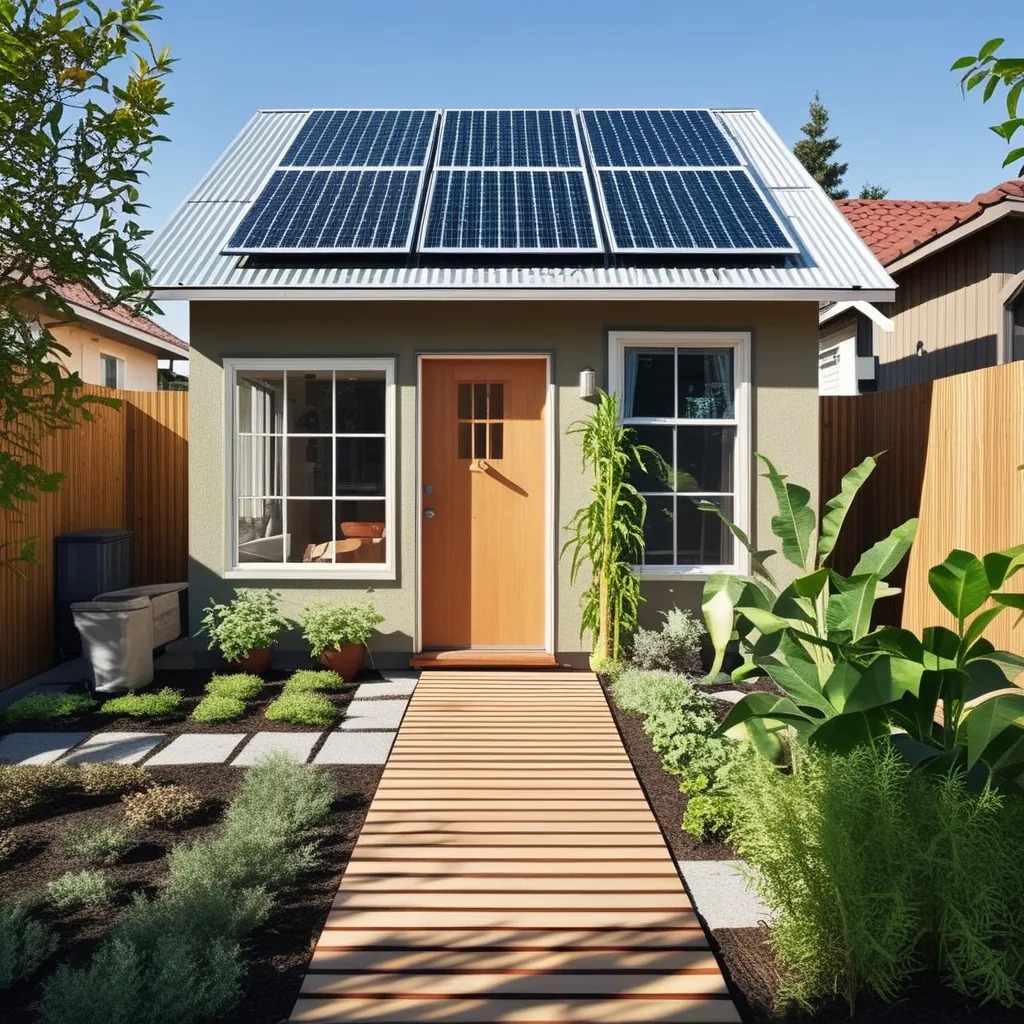
Transforming your home into a more sustainable one is no longer just an eco-trend; it’s become an essential lifestyle choice. Recognizing the impacts of climate change and our collective carbon footprint, people are increasingly prioritizing eco-friendly home improvements. These changes not only support the environment but also save money in the long run and might even boost your property’s value.
Let’s start with the fundamentals: energy efficiency. One of the key steps to achieving a sustainable home is to focus on dodging energy leaks. Drafty windows and doors, minuscule gas leaks, and poor insulation are often the main culprits. Getting a home energy audit can reveal these pesky issues. Experts utilize tools such as blower door tests and gas leak detectors to assess your home’s energy efficiency accurately.
Windows are more important than you might think when it comes to energy conservation. Those old single-pane windows we often overlook can let a whole lot of heat escape. Upgrading to energy-efficient models like dual-pane or triple-pane windows can make a noticeable difference. These windows generally have a spacer between the panes filled with a gas such as argon, which boosts insulation and cuts down on heat loss. This switch could potentially save you between $125 and $465 per year on your utility bills and significantly reduce greenhouse gas emissions.
In the same vein, doors are often underestimated. Insulated, sturdy doors made from materials like steel, fiberglass, or even solid wood can be game-changers. These doors don’t just look good—they also help keep your home warmer in winter and cooler in summer. Plus, they’re long-lasting and demand minimal maintenance, making them a wise, practical choice.
When it comes to flooring options, sustainability should be a significant factor. Traditional wood floors, despite their aesthetic charm, contribute to deforestation and carry a hefty carbon footprint. Vinyl floors aren’t ideal either because they’re non-recyclable. Go for greener alternatives like bamboo, cork, or recycled materials. These environmentally friendly choices are durable and minimize harm to the planet.
Harnessing the power of the sun with solar panels is another forward-thinking way to make your home more eco-friendly. These solar systems can drastically cut down your dependence on the grid and lower electricity costs. Solar panels can power almost everything—from your lights and appliances to heating and cooling systems. The savings can be substantial over time, making solar a solid investment. Plus, with current tax credits and rebates, solar panels have never been more affordable.
Eco-friendly doesn’t stop at big installations—small changes matter too. Swapping out old appliances for Energy Star-certified models can yield impressive energy conservation. These appliances, including heaters, coolers, and kitchen gadgets, adhere to strict efficiency guidelines by the EPA. They not only cut your electricity bills but also contribute to lower emissions. Smart lighting systems with LED bulbs and programmable thermostats can further optimize your home’s energy consumption.
Your roof can either be a heat trap or a cooling agent. Traditional dark roofs soak up a lot of heat, escalating your cooling costs. But cool roofs, made from materials designed to reflect sunlight, can keep your home comfortably cool. Green roofs, which are essentially plant-covered, are also gaining traction. They offer excellent insulation, attract local wildlife, and help mitigate the urban heat island effect.
Water conservation often flies under the radar but is central to sustainable living. Installing grey water systems can make a huge difference by reusing water from sinks, showers, and washing machines for irrigation. This doesn’t just save fresh water but also reduces the wastewater burden on the sewer system.
Opt for natural, renewable, and recycled materials when making home improvements. Bamboo, for instance, grows rapidly and can replace traditional timber. Using recycled products like glass countertops and plastic decking not only reduces waste but also adds a unique flair to your home.
Adequate insulation and ventilation are crucial. Insulating your attic, walls, and floors can tremendously cut back on heat loss, making your home more energy-efficient. Good ventilation helps expel moisture and pollutants, enhancing indoor air quality.
Landscaping isn’t just about aesthetics; it can be a sustainability powerhouse. Opt for native and adapted plant species that thrive in your local climate without extensive watering or fertilizers. These plants also foster local ecosystems, encouraging biodiversity.
Financial incentives can significantly enhance the appeal of eco-friendly home upgrades. Rebates and tax credits are available for energy-efficient improvements thanks to laws like the Inflation Reduction Act. These incentives can ease the initial financial burden of making your home sustainable.
While going green often involves an upfront cost, the long-term benefits are substantial. Homes with green certifications can sell for up to 8% more, and energy savings frequently offset initial investments over time. Plus, making these upgrades reduces your carbon footprint, contributing positively to the planet’s health.
Making your home more sustainable involves a variety of steps, from upgrading windows and doors to installing solar panels and incorporating green appliances. Each small change collectively brings about a significant impact. With various financial incentives and a bit of planning, creating a sustainable home environment benefits you and the planet, ensuring a better future for subsequent generations. So, here’s to a greener, smarter, and more eco-friendly home!