Renovating your home is a great opportunity to think about sustainability. Making eco-friendly choices not only benefits the environment but can also save you money over time, and make your home more comfortable and valuable. Here are some tips to help you renovate with sustainability in mind.
First off, planning is essential. Before you start tearing down walls or buying new fixtures, set clear goals. Do you want to cut down energy consumption, use non-toxic materials, or maybe incorporate renewable energy sources? Check out your home’s current condition to find areas that could benefit most from sustainable improvements. A solid plan helps make informed decisions and ensures your renovation sticks to your green goals.
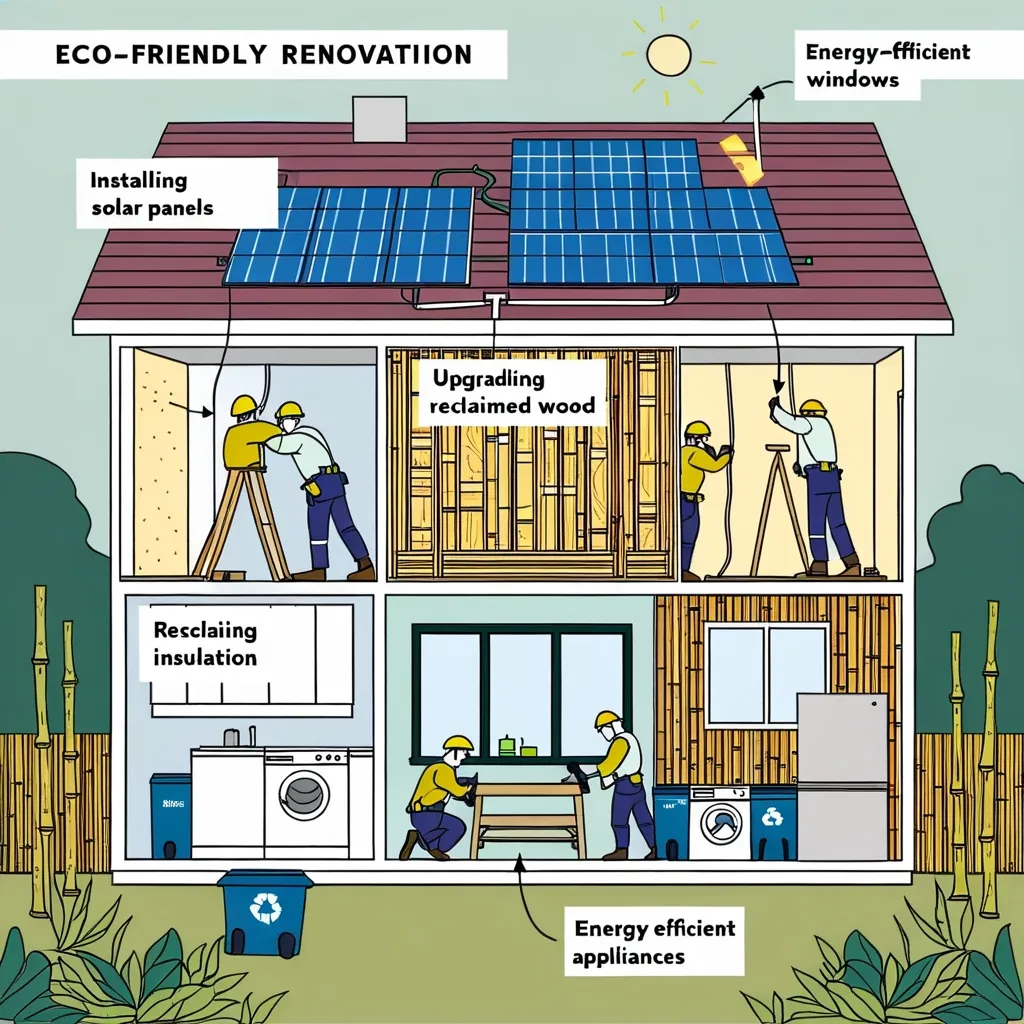
One of the easiest ways to go green is by choosing sustainable materials. Reclaimed wood is fantastic for cabinets, countertops, flooring, or accent pieces. It reduces the need for new timber and adds unique charm to your home. Bamboo is another great option—it’s durable, water-resistant, and cheaper than hardwood. Plus, bamboo grows back quickly after harvesting, making it a super renewable resource.
Energy-efficient appliances are like the MVPs of sustainable renovations. Look for the EnergyGuide labels, which tell you the average annual energy consumption and operating costs of appliances. Smart home gadgets like programmable thermostats and smart lighting can also cut your energy bills. These devices adapt to your usage patterns or energy demand, ensuring energy is used only when necessary.
Ever thought about using natural light and solar energy? Natural light can drastically reduce your need for electricity. Large, double-paned windows and skylights can flood your home with daylight, making it both beautiful and energy-efficient. Solar panels are another genius move; installing them on your roof can generate a big chunk of the energy your home needs. This step is a win-win for your wallet and the planet.
Water conservation is another biggie. Swap old plumbing fixtures for low-flow devices like dual-flush toilets and low-flow showerheads. These can significantly slash water usage without sacrificing performance. Plus, simple habits like turning off the tap while brushing your teeth or fixing leaky faucets can make a big difference.
Upgrading your insulation is crucial for an energy-efficient home. Good insulation keeps your home cooler in summer and warmer in winter, cutting down the need for heating and cooling. It also helps with noise reduction, so you’ll have a cozier and quieter home.
Paints can be a hidden culprit in harming indoor air quality. Traditional paints often contain VOCs, which are bad for both the air and your health. Opt for low-VOC or VOC-free paints. Brands like Benjamin Moore’s Natura or Sherwin Williams’ Harmony offer options that are just as effective but way more eco-friendly.
During your renovation, it’s not just about what you add but also what you take away. Try to minimize waste. Before demolishing, see what can be salvaged and repurposed. Old chandeliers make quirky hanging planters, and broken wooden chairs can be turned into towel racks. This creative repurposing cuts down waste and adds character to your home.
Speaking of cutting down, recycling should be a no-brainer. Separate your recyclable materials, like paper, cardboard, glass, and plastic, to make sure they end up where they should. Replace single-use plastics with reusable alternatives, like shopping bags, water bottles, and coffee cups. Little changes can lead to a big impact.
Sustainable living doesn’t stop at your front door. Think about how you get around too. Opt for eco-friendly transportation like walking, cycling, or public transport. If you’re car shopping, consider electric or hybrid vehicles to cut down on carbon emissions. Growing your own food can also be a rewarding move—fresh veggies from your backyard not only taste better but also cut down on food miles and reliance on industrial agriculture.
For advanced sustainable renovation ideas, consider green roofing and eco-friendly windows. Green roofs offer great insulation, reduce stormwater runoff, and create wildlife habitats. Eco-friendly windows, preferably made from sustainable materials and designed for energy efficiency, can drastically cut heat loss and gain, making your home more comfortable.
And let’s not forget the air you breathe. Sustainable renovation should aim for healthier indoor air quality. Use materials like natural fibers and VOC-free paints. Good ventilation systems and air purifiers can also help keep the air inside your home clean, boosting both comfort and health.
In the end, renovating your home with sustainability in mind is both rewarding and responsible. It benefits the environment and boosts your home’s value and comfort. By incorporating these eco-friendly tips into your renovation, you’re contributing to a more sustainable future while enjoying the perks of lower energy bills and a healthier living space. So why wait? Start planning your sustainable home renovation today!