Embracing Minimalism as a Family: A Journey to Simplicity and Fulfillment
Living in today’s world often feels like racing through a never-ending maze. There’s clutter everywhere, bills stacking up, and a constant push to keep up with whatever the neighbors are doing. But lately, there’s been a trend that’s turning heads—minimalism. And guess what? It’s not just for single people or couples anymore. Families can totally get in on this lifestyle, finding a way to live more purposefully, ditch the drama, and actually feel happier.
Getting everybody in a family on the same page about minimalism can be tricky. It often starts with one person getting all excited about decluttering, clearing out junk, and just simplifying everything. But then, the rest of the family, maybe the spouse or the kids, might not be so thrilled. They have their own attachments to certain things or habits that are hard to break. Picture this: over half of the families surveyed—57% to be exact—said their biggest problem with going minimalist was convincing everyone else to get with the program.
To tackle this, patience and empathy are key. Instead of bulldozing through and forcing everyone to adopt a minimalist lifestyle, it’s way better to lead by example. Show them the perks of having a cleaner, simpler space. Talk about how much less bummed out you feel now that the house isn’t full of stuff and there’s room to breathe. Have some chill conversations about what you hope minimalism can do for your family life, and let them come around in their own time.
Getting the kids on board can actually be fun. Instead of dictating how they should live, involve them in some interactive activities. Think about a minimalist scavenger hunt or letting them set up a yard sale with their unwanted items—and they get to keep the money. It’s a way to show them the upsides of minimalism while giving them a say in it. Plus, it teaches them to appreciate what they have and make their own choices.
Before diving in headfirst into decluttering, it’s super important to have some honest chats about what really matters. Ask questions like, “What do we spend time on that feels pointless?” or “What can we cut out to make our lives easier?” By figuring out your family’s values and priorities, it’s easier to tell what stuff truly matters and what’s just extra baggage.
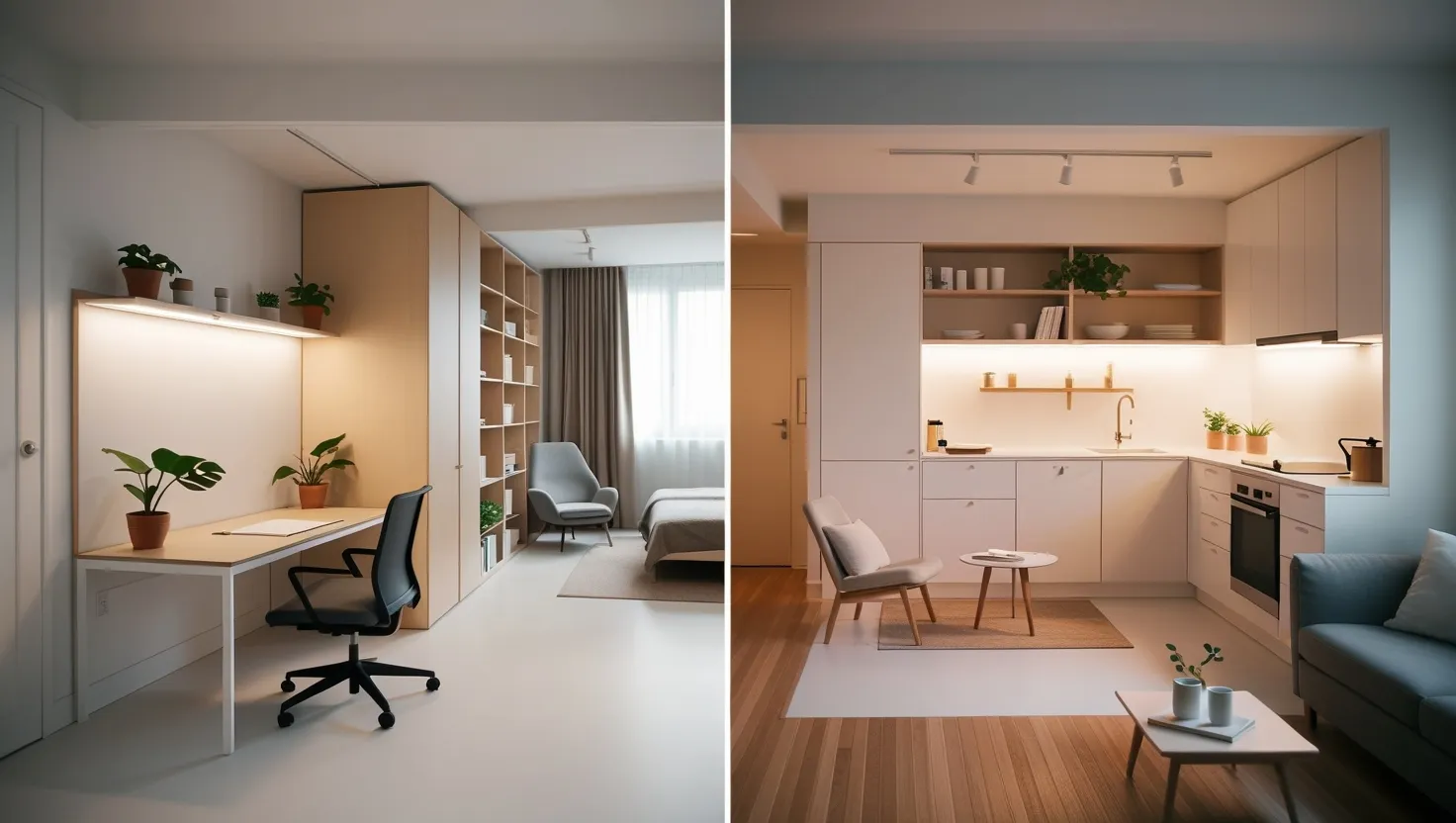
Making the jump to minimalism comes with tons of perks for families. For starters, less clutter means less stress. There’s a direct link between messy spaces and higher stress levels, so clearing out the clutter can really create a more peaceful and organized home. Everyone, from the kids to the adults, can enjoy better mental health in a cleaner environment.
Minimalism also shifts the focus to things that genuinely add value to life. Instead of getting caught up in unnecessary tasks or endless screen time, families can spend more time on activities that actually mean something. This can lead to more creativity and independence for the kids as they get the freedom to explore and innovate without distractions.
Balancing the needs and wants of each family member is crucial. It’s all about finding a sweet spot where everyone feels valued and connected. Instead of hovering over the kids all the time, give them space to learn and grow from their own experiences. This approach builds their confidence and also cuts down on the stress for parents.
Scheduling and making time for rest is another big part of a minimalist lifestyle. In our busy lives, it’s easy to overload the schedule and forget about rest. But with childhood anxiety on the rise, making sure everyone gets enough downtime is crucial. Prioritizing rest isn’t just good for the kids; it’s essential for the entire family’s mental well-being.
Minimalism also scores points on the environmental and financial fronts. By cutting back on consumption and waste, families contribute to a more sustainable future. On top of that, spending less on unnecessary stuff helps manage debt and boosts financial stability. Fewer things to buy means more money saved—simple as that.
Making the switch to minimalism isn’t something that happens overnight. It usually takes a bit of time, somewhere around 1-2 years for most families. It’s a gradual process that needs patience, a bit of flexibility, and a readiness to change. Start by questioning your shopping habits and tackling the root causes of clutter in your home. Be ruthless about letting go of stuff that doesn’t serve a purpose anymore. It’s okay to ditch things that might have been valuable once but are now just taking up space.
For the kids, gentle encouragement to embrace minimalism works better than a heavy-handed approach. Let them figure out their own pace and decisions about what to keep or toss. For example, if you have a tween, don’t expect them to clear out their closet right away. Instead, show them how you practice minimalism and let them follow suit.
Turn the transition into a family experiment. Set some fun goals together, like pinpointing what you value as a family and identifying things that clutter up those values. This way, the process feels like a shared adventure rather than just another chore.
Making minimalism a family affair is an empowering journey toward living more intentionally. It paves the way to reduce stress and enhances overall well-being. The focus shifts to what truly matters, eliminating the unnecessary noise that distracts from family values. Involving all family members, setting clear priorities, and being patient creates a harmonious, clutter-free home that nurtures growth and happiness. Remember, minimalism isn’t about having less; it’s about making room for more of what’s meaningful.